
AccelVeo maps your sensors and PLC tags to your actual physical layout. This "Operational Context" means your data isn't just numbers in a database—it's intelligence tied to specific machines, zones, and products.
A manufacturing digital twin is a real-time virtual model of your physical factory, synchronized with live data from sensors, PLCs, cameras, and production systems. It provides a contextual, spatial understanding of operations—enabling teams to visualize production flow, identify bottlenecks, simulate changes, and transfer optimizations across sites without disrupting production.
See problems on your digital twin the moment they occur across every line and location. Zoom into any zone and get complete operational status—no delays, no blind spots.
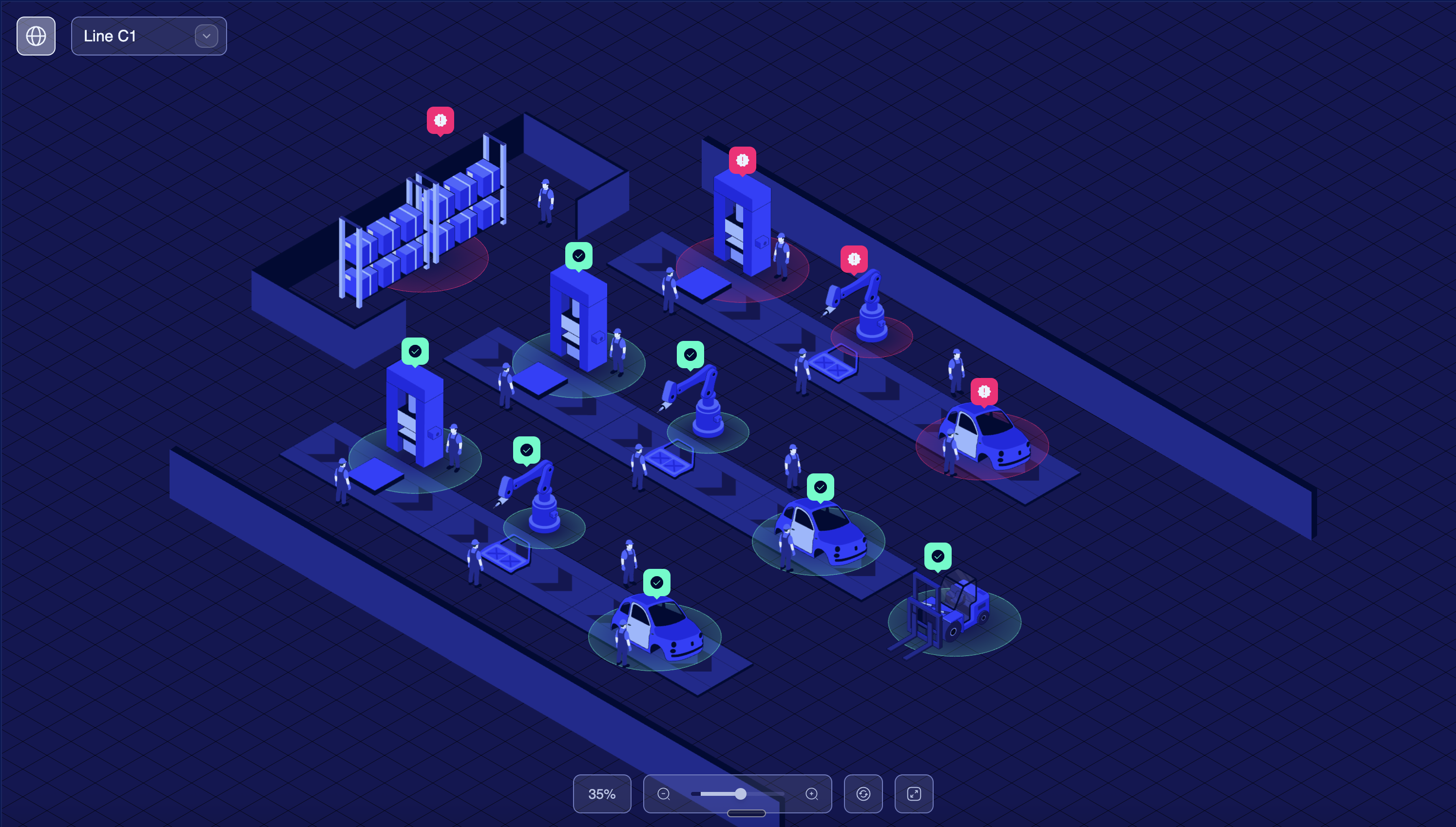
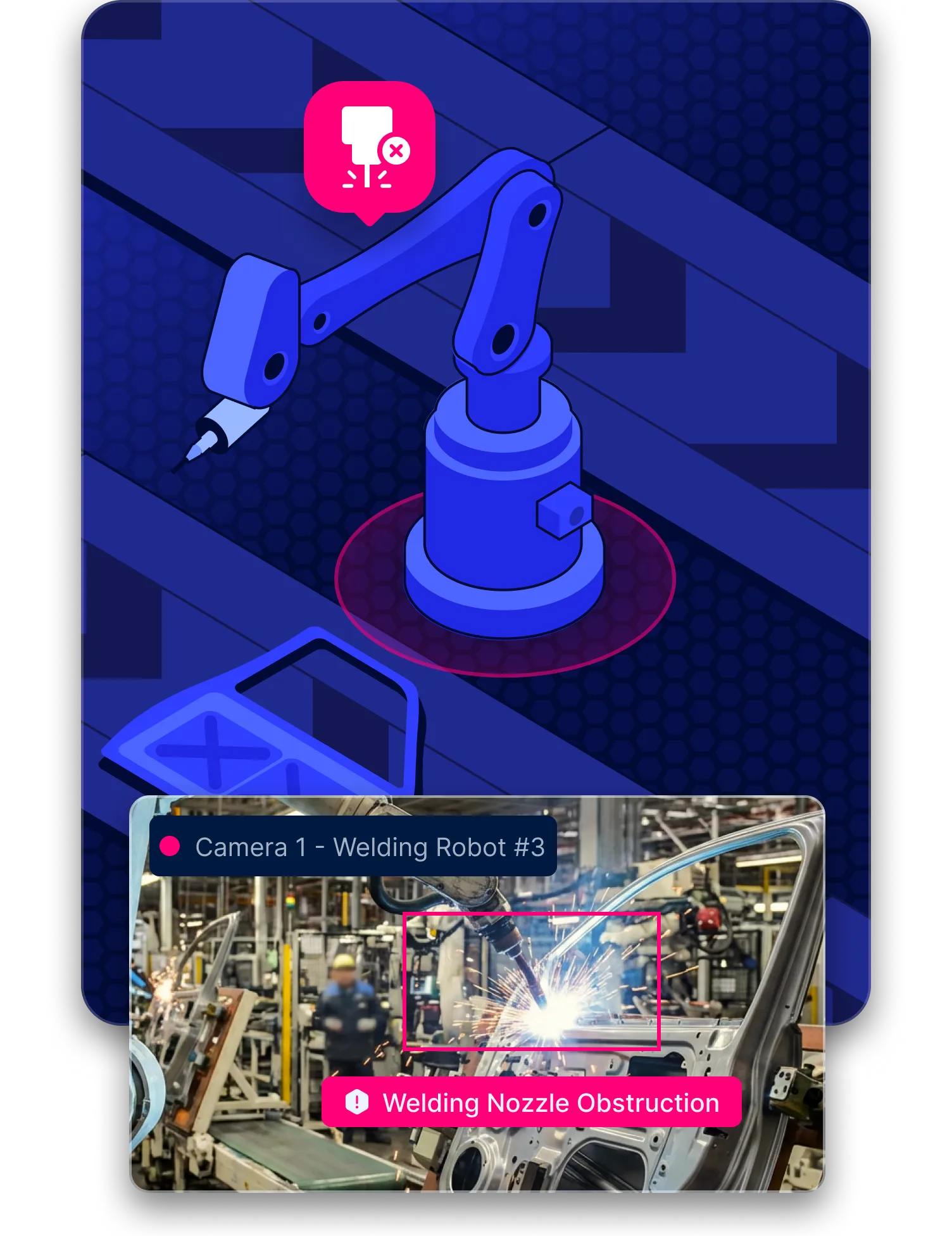
The twin reflects what's happening now, not static diagrams—down to current conditions and recent history.
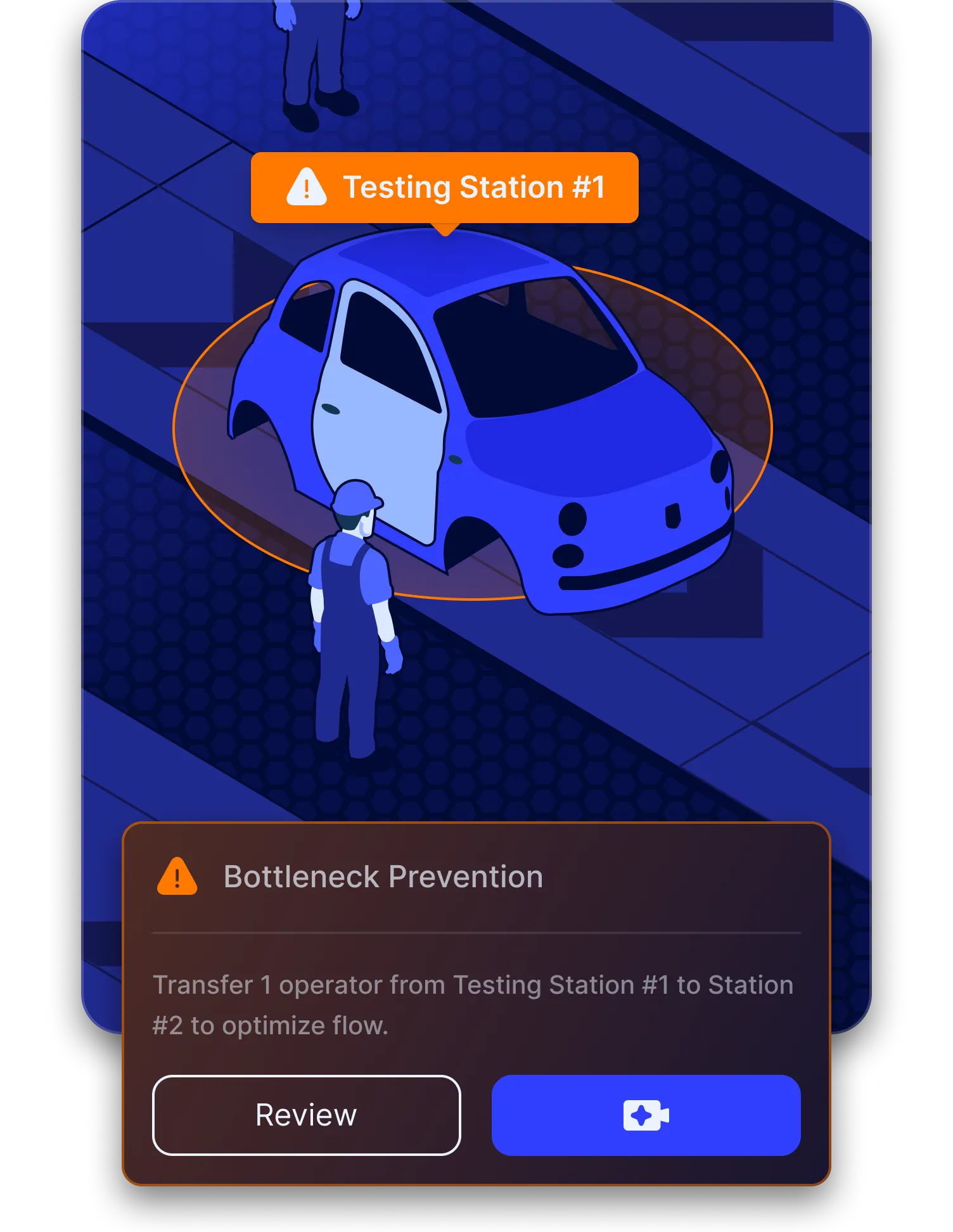
See congestion, delays, and emerging constraints before throughput is impacted.
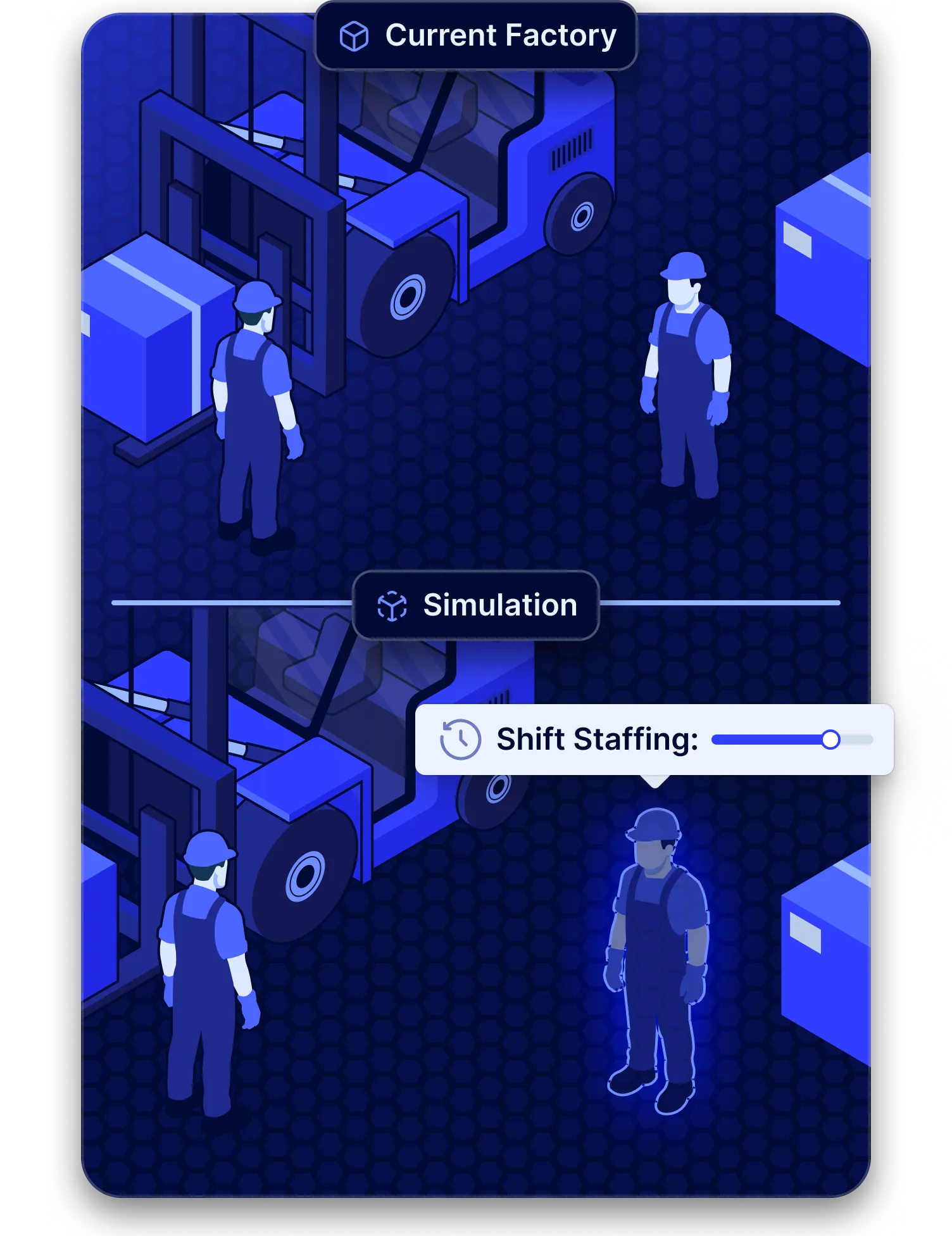
Test "what if" changes—volume shifts, staffing changes, machine downtime—without disrupting production.
Standardize improvements and apply them across plants instantly.
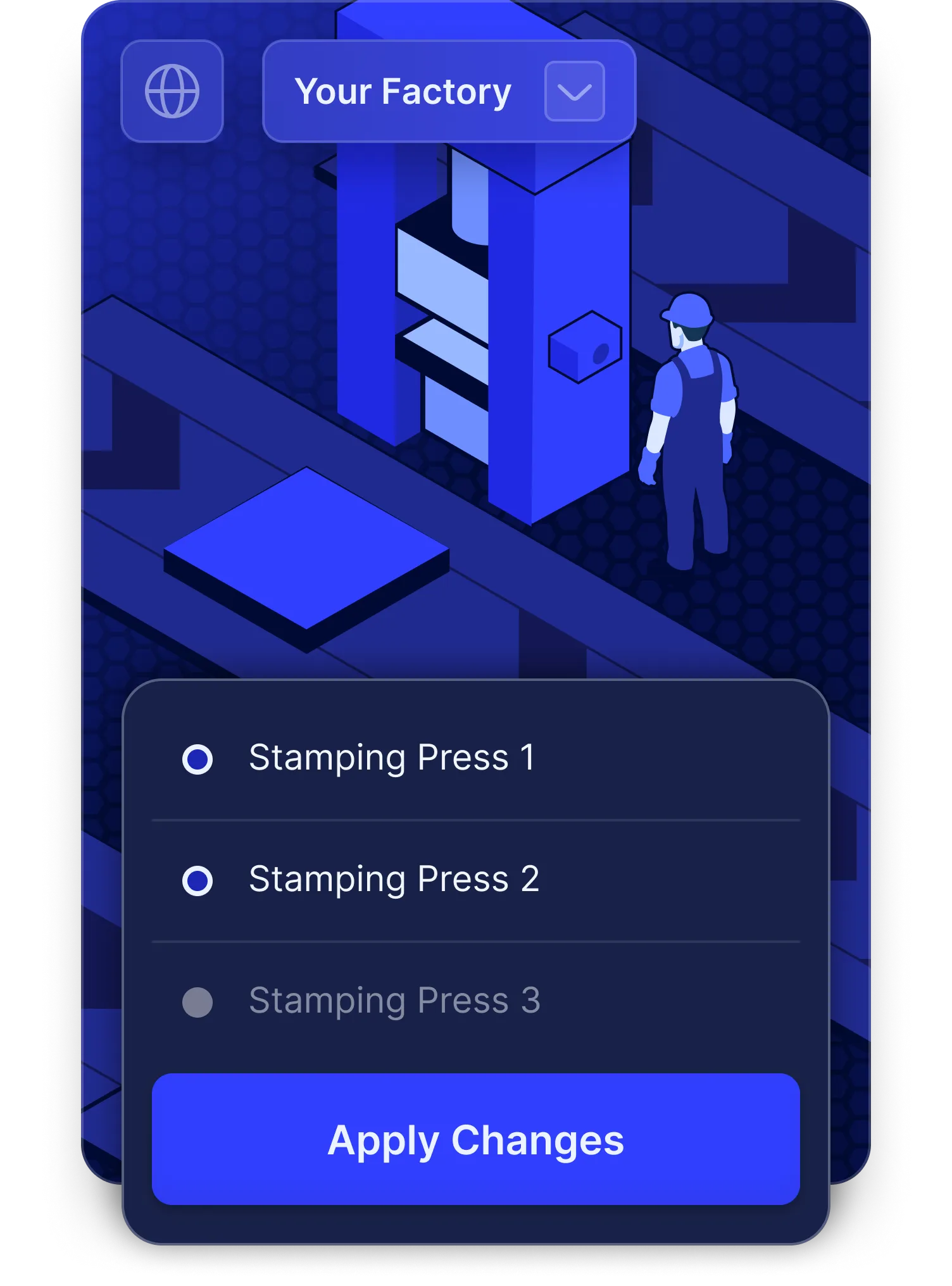
A manufacturing digital twin is a virtual representation of your physical factory that mirrors real-time operations. It maps sensors, PLCs, cameras, and system data to your actual plant layout, creating a living model that reflects current conditions, production flow, and equipment status—enabling you to see, analyze, and optimize operations without disrupting production.
A digital twin improves factory operations by providing real-time visibility into production flow, bottlenecks, and equipment status across your entire facility. It enables data-driven decisions by showing how changes in one area affect the whole system, supports scenario simulation for planning, and helps standardize improvements across multiple sites.
Yes, a digital twin works with your existing equipment and infrastructure. AccelVeo's digital twin ingests data from PLCs, cameras, sensors, MES, and ERP systems you already have in place. AI agents automatically map data sources to your physical layout, so there's no need to replace hardware or manually configure complex data models.
A digital twin ingests data from multiple sources including PLC tags, sensor readings (temperature, vibration, pressure), camera feeds, MES production data, and ERP system information. The more data sources connected, the richer the twin's understanding of your operations. AccelVeo's agents automatically discover and map available data to build the model.
While a dashboard displays metrics and charts, a digital twin provides a contextualized, spatial understanding of your operations. It maps data to physical locations, shows relationships between systems, enables simulation of changes, and synchronizes in real-time. A dashboard tells you 'what happened'; a digital twin shows you 'why it happened' and 'what would happen if.'
